
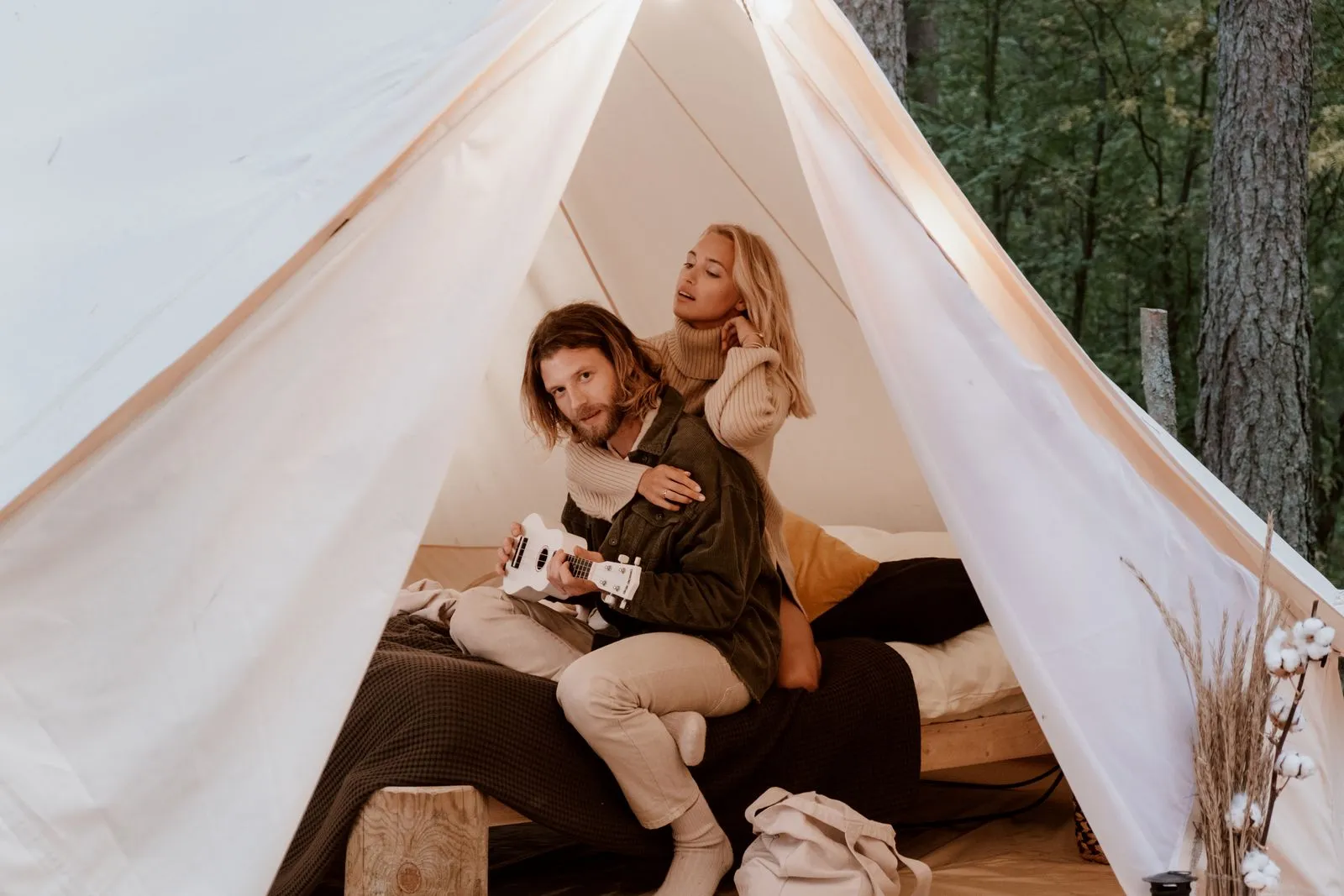
Glamping gives you a comfortable place to stay, but an off-grid setting can make thoughtful packing especially useful. Weather, site facilities, and how much you plan to explore all affect what belongs in your bag. Start with versatile clothing and the personal items you rely on, then ask the site what it supplies. A quick check before you leave can help you avoid carrying unnecessary gear—or arriving without something important.
Dress for Changing Conditions
Pack layers you can add or remove as the day changes. Bring comfortable shirts, long pants, a warm sweater or fleece, and a lightweight waterproof jacket. Even if the forecast looks mild, evenings can feel cooler outdoors. Check the local forecast shortly before departure and choose clothes suited to the activities you have planned.
Choose sturdy, comfortable shoes for walking around the property, plus sandals or other easy-on footwear for relaxing. If you expect to explore trails or uneven ground, bring shoes with reliable grip. A hat, sunglasses, and weather-appropriate sleepwear can also make your stay more comfortable.
Bring Personal Essentials
Pack toiletries and medications you use regularly, including any prescription items. A small personal first-aid kit, insect repellent, sunscreen, and hand sanitizer can be useful, particularly if you plan to spend much of your time outside. Keep essential items together in a small pouch so they are easy to find.
Bring a reusable water bottle and any personal comfort items that help you settle in, such as a book, earplugs, or a sleep mask. If you use devices, pack their chargers and any cables you need. Off-grid power arrangements vary, so avoid assuming you can recharge every device whenever you like.
Check What the Site Provides
Before packing bulky items, ask what is included in your accommodation. Find out whether bedding, towels, toiletries, cooking equipment, dishes, and drinking water are supplied. Also confirm what facilities are available, such as a bathroom, refrigerator, or cooking area. The answers can significantly change what you need to bring.
Ask about power access, phone reception, and any rules for open flames, portable stoves, or outdoor lighting. Check whether you need to bring food, how waste should be handled, and whether the site has specific arrival instructions. If you have accessibility needs or dietary requirements, contact the site ahead of time to discuss practical arrangements.
Keep Your Packing Practical
Use a soft-sided bag if storage space may be limited, and pack items you will use first near the top. Separate clean clothes from shoes or wet gear with reusable bags. A small day bag can keep water, sun protection, and other outing essentials together without requiring you to carry your full luggage.
Avoid bringing equipment the site already provides or items that conflict with its safety rules. Coast & Canopy can answer questions about what to expect before your stay. Confirm the details close to your arrival, then adjust your list for the forecast, your plans, and the facilities available.
A good packing list balances comfort with the realities of an outdoor stay. Choose adaptable layers, bring the personal essentials you depend on, and confirm site facilities and rules before setting off. With those details settled, you can pack confidently and focus on enjoying your time away. Contact your glamping site if you need help checking what to bring.